Nicky Barnes: Mr Untouchable | Son of Harlem | 1

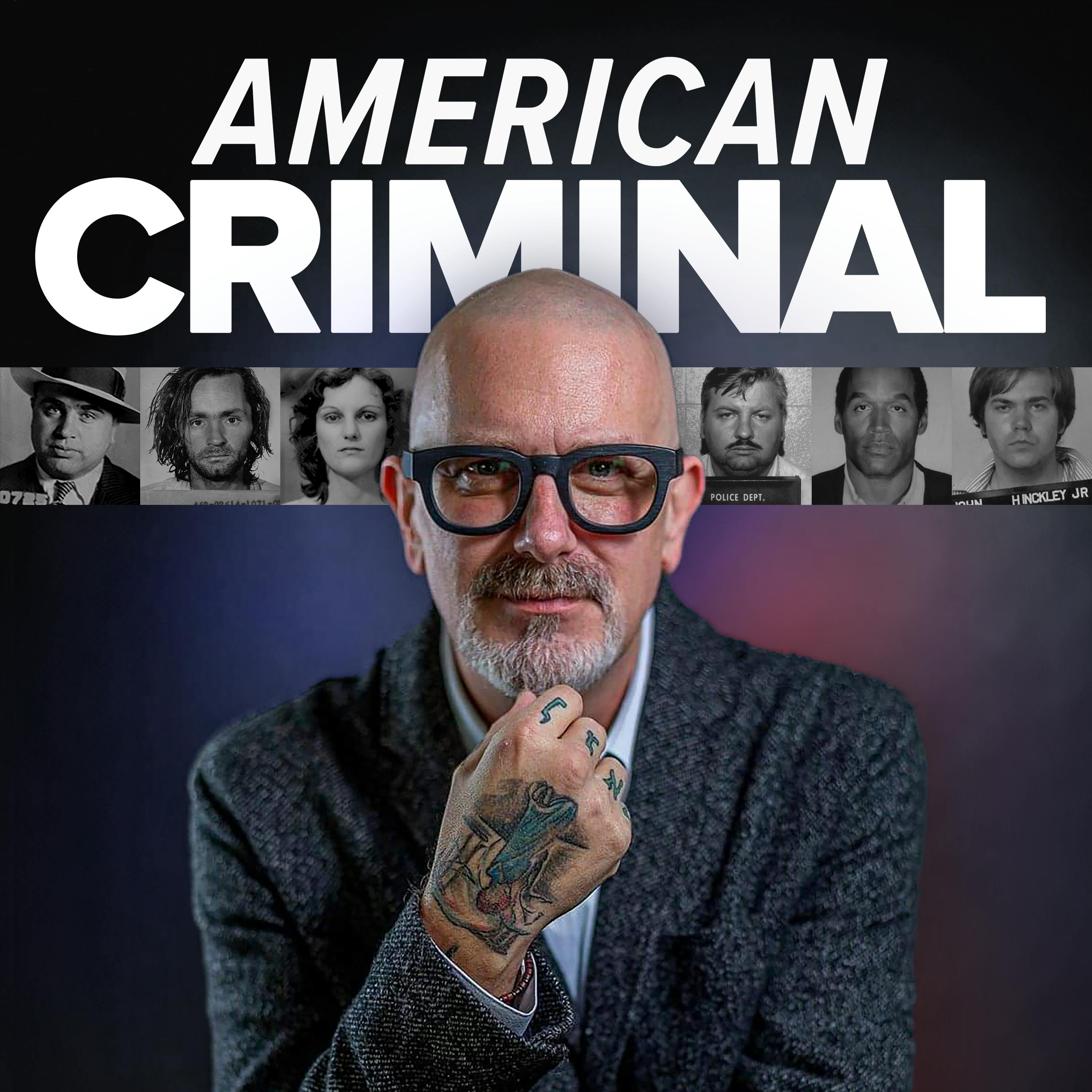


Long before he became "Mr Untouchable" -- one of the biggest drug dealers in the country -- Nicky Barnes was just a kid growing up in Harlem. But he would eventually gather together a group of other Black men to control the flow of heroin across New York City, challenging the dominance of the city's existing crime families.
Listen to all 4 episodes of 'Nicky Barnes: Mr. Untouchable' wherever you get your podcasts, or to get early, ad-free access to the entire season, subscribe in Apple Podcasts, Spotify, or at Americancriminal.com
Learn more about your ad choices. Visit megaphone.fm/adchoices
This episode contains descriptions and details that some listeners might find disturbing. Listener discretion is advised. It's the fall of 1976.
In midtown Manhattan, Robert Geronimo sits in a police interrogation room. A fluorescent bulb flickers above him, lighting every corner of the claustrophobic space. In front of him, a mirror runs the length of the wall.
Now Robert knows enough to know that there are cops on the other side of that glass watching him, and it makes him nervous. Robert's a minor con artist who makes his living selling stolen cars and merchandise that fell off the back of trucks.
Sometimes when he's feeling especially industrious, he runs a scam calling people out of the phone book and convincing them to send him checks for TVs that don't exist. That's probably what landed him here.
A few hours ago, a couple of NYPD officers nearly broke down his door knocking. He barely got it open before they had him and coughs and were reading him his rights. Now he's here, sweating about it.
The door to Robert's left opens, and a clean shaven guy in a shirt and tie walks in, a folder under his arm and a cup of coffee in his hand. The man sits down, opens his folder, flips through the pages.
Robert's photo is paper clipped to a stack of documents. It looks like they got a lot of stuff on them. After an agonizing minute, the agent finally looks up and introduces himself.
He's an agent with the DEA, the Drug Enforcement Agency. Robert's confused. He's done a lot of stuff, but he's never been much into drugs, not enough to attract the attention of the Feds at least.
The agent points at the records on the table between them. This stuff, Robert's existing rap sheet, that's not his domain. But he might be able to make some of Robert's troubles go away, if he's willing to cooperate.
Robert nods his head vigorously. He'll do anything. He doesn't want to go to jail.
The agent smiles and sits back. Okay then, he says. What do you know about Nicky Barnes?
From Airship and Evergreen Podcasts, I'm Jeremy Schwartz, and this is American Criminal. On June 5th, 1977, New York Times Magazine published a cover story about one of the biggest drug dealers in New York, maybe in the entire country.
Leroy Nicky Barnes was 43 and ran a criminal empire to rival the five families of the American Mafia. Everyone in the city knew this. Like so many of history's most infamous kingpens, Nicky barely tried to hide what he was doing.
He drove expensive cars, owned multiple homes, and wore only the finest fashion of the day. When cops followed him, he'd lead them on hours long drives through the city just to I want to mess with them, to prove he knew they were there.
And yet, despite years of being under close surveillance by law enforcement, do you know what everyone called Nicky Barnes? Mr. Untouchable.
Time and time again, he'd slip through the net, beating criminal charges on everything from drug possession to murder. And to cap it all off, he posed for that magazine cover story.
When people looked at that photo, it was like he was taunting the feds, daring them to take their best shot. All of this begs the question, how did Nicky get to that place? How did a former heroin addict build such a massive empire?
And what made him different from so many of the country's other drug dealers? Was he taught how to run his business? Did he just understand the game on an instinctual level?
Or had a life full of reckless mistakes, taught him how to stay one step ahead of the law? This is episode one in our four-part series on Leroy Nicky Barnes, son of Harlem.
It's the summer of 1943 in New York City. Leroy Nicholas Barnes, Nicky to just about everyone, is at a subway station beneath Times Square.
A steady stream of busy New Yorkers move through the tiled hallways, the mass parting to go around Nicky like a river rushing past a boulder. Nicky is around nine years old, and he comes to Midtown to try and make a little extra money.
He's crouched in front of a shoeshine box with a threadbare rag in his hand. Now a man sits on a stool, his shoe perched on Nicky's box. The man sways a little, and even from a couple of feet away, Nicky can smell alcohol on the guy's breath.
Eager to get away from the man, Nicky finishes polishing his shoe and holds out his hand for a coin. But the guy just sits back, like he's trying to bring Nicky into focus.
Then he pulls a thin wad of bills from his coat pocket, the corners of his lips turning up into a grin that feels menacing to Nicky. All of a sudden, Nicky doesn't just want a coin. He wants everything this guy's got.
So he snatches the money from the man's hand and starts running, pushing and weaving through the crowd. Over his shoulder, he hears a blast of a whistle, but he doesn't look back. He has to get away.
Now, he doesn't make it very far. Within seconds, he feels a hand close around him, holding him in place. Looking over his shoulder, he meets the icy gaze of a New York City police officer.
He's not even 10, and Nicky Barnes has already had his first run in with the law. And it won't be his last. For the most part, the story of Nicky Barnes takes place in Harlem, a neighborhood in Upper Manhattan.
At the turn of the century, only about 10% of Harlem's residents were black. But over a period of about 20 to 30 years, that number grew steadily.
Black Americans moved north from southern states, and black New Yorkers moved to Harlem from other parts of the city, where they didn't feel as welcome.
That's the world Nicky grew up in, one where most of the people he passes on the street are black, and where there's a strong sense of community. But Nicky's home life is far from perfect.
His family, mom, dad, and sister live in a tiny apartment on 115th and 8th, all of them sleeping in one bedroom. They get the place rent free because his dad works as the building super.
But as far as Nick can see, that's about all his dad does for the family. Leroy Sr. has a part-time job with the Transit Authority, but his paycheck is barely enough to make ends meet.
And either he can't or he won't find something better. He makes just enough to get by and puts the rest of his energy into running regular poker games for his friends, selling beer and weed to the players.
When Nicky's mother tells him not to smoke in the house, he answers with a backhand. If Nicky tries to defend his mom, he gets the same treatment. For a while, they lived in a much bigger apartment near Morningside Park.
It was here that Nicky befriended a neighbor around his age, Jackie Gomez. Now, from the start, they've been getting into some mostly harmless mischief, like stealing empty milk and beer bottles from grocery stores and returning them for nickels.
But as they've grown older, they become slightly more bold with their money making schemes. When they're about nine, they're arrested for stealing a man's money while shining shoes beneath Times Square.
Nicky also takes to the street to sell some drugs he finds hidden in his father's supply closet. Eventually, the Barnes's moved back to their shoebox of a place. Leroy Senior didn't like the extra cleaning he had to do in the larger building.
Plus, he missed the $30 a month their landlord was giving him at their old place. To him, the extra space for his family isn't worth the money he could be spending on himself. Nicky resents that about his dad.
He won't have to worry about it for much longer, though. See, he and Jackie are both members of the Young Turks Street Gang. Older members of the group carry guns, but the tiny Turks like Nicky aren't allowed to.
Well, they are allowed to have a gun of their own, but they have to make it themselves. They call them zip guns, and they range from unreliable to downright dangerous. I mean, more dangerous than a regular gun.
Because there's every chance that the thing will blow up in your hand when you pull the trigger. Still, Nicky loves having it, makes him feel like a man. One day, he comes home from school to find his dad beating his mom.
After years of this, Nicky knows that trying to put his body between his parents won't help anyone. It just leads to more violence. So instead, he pulls out his zip gun, aims it at his dad and yells to get his attention.
Leroy Senior sneers at the homemade pistol and starts walking towards Nicky who squeezes the trigger. But the mechanism fails or doesn't work as it's supposed to. And the tiny bullet just glances off of Leroy's leather jacket.
Nicky does not wait around to see how his dad will react to what just happened. He jumps out a window and runs away. Later, he tells some of the older members of the Young Turks about what happened.
They know Nick's dad by reputation and offer to teach him a lesson. So they accompany Nicky home and confront Leroy Sr. One of the boys, a menacing looking kid named Arthur, promises he'll kill Leroy if he ever touches Nicky again.
After that, Nick and his dad never really live under the same roof. Nicky stops by to see his mom and sister when he can, but Leroy doesn't want him around. So, from now on, he's got to fend for himself.
By this stage, Nicky's a teenager, and like a lot of kids his age, he's been dabbling in the drugs that flow through New York streets. He's tried heroin and cannabis and is high on both of them when he loses his virginity.
But he's not hooked on the drugs the same way his friend Jackie is. Neither kid has ever really stopped running schemes to get money, but now that they're older, they have specific, tangible things they want to use the cash for.
And neither of them much care what they have to do to get it. So when Jackie comes to him with the idea to stick up an apartment, he knows where heroin addicts get their fix. Nicky doesn't hesitate.
That sounds like a great idea. The pair of them roll up to the apartment on 118th Street, and Jackie knocks like he's a regular customer. The dealer opens up and the guys push their way in.
Nick holding his new 32 high above his head so everyone can see. They demand all the money and drugs in the apartment, and for a second, it seems like they might get away clean.
Only, Nicky forgot to close the door behind him, and a neighbor walks by and sees what's happening. She starts screaming, which brings other residents out into the hall, and suddenly, things are looking a lot dicier.
Jackie manages to scramble out the front door and down the stairs to the street, but Nick is trapped. Sure, he's got a gun, but he doesn't really want to shoot his way out. So once again, he goes out the window.
This time, he drops a full story to the alleyway between buildings, but manages to walk away from the episode unharmed. In the aftermath of their close escape, Nick and Jackie split up the money and drugs they stole.
Before the robbery, Jackie had grand plans of buying an apartment so he wouldn't have to live with his grandmother anymore. But instead, he blows his half on loot and more drugs.
Nicky, on the other hand, uses some of his money to freshen up his wardrobe. Before long, he's the self-styled best-dressed teen on the West Side. He feels eyes turning to follow him as he walks down the street.
People remember him, and his investment soon pays dividends. Around the time that Nicky's refining his image, one of Harlem's biggest drug dealers is a guy everyone calls Fat Herbie. One day, he sends one of his lieutenants to fetch Nicky.
He needs a new dealer to work Big Jake's pool room, and he wants the sharp-looking kid he's been seeing strutting around the neighborhood. Nicky jumps at the chance to make some real money for a man he sees as a local entrepreneur.
He plants himself at the pool room, which is right around the corner from a popular jazz spot. There, he sells Herbie's drugs to plenty of the musicians who stop by for a fix before their gigs.
Pretty soon, he's walking around in cashmere coats and velour hats wearing alligator skinned shoes. And Jackie? He got annoyed that Nicky was the one Herbie singled out.
The two friends stopped hanging around after that. Jackie keeps sticking up drug dens and is eventually killed when one goes wrong. Nicky feels bad when he hears about that.
Jackie should have stuck with him, he thinks. Then they'd be making bank together. He's got more money than he imagined and access to great quality drugs, which he's increasingly reliant on.
Before working for Herbie, Nicky only sniffed heroin occasionally. But the more he's around the stuff, the more he doesn't. He starts shooting up and then fools around with cocaine too.
Pretty soon, he combines the two. Speed bowling, it's called, and it's a lot more dangerous than using either drug on its own. As 1950 approaches, Nicky Barnes' life has become a precarious balancing act.
Short, he's gotten away from his abusive father and has plenty of money to blow on luxuries like designer clothes. But his increasing drug use is careening towards a full-blown addiction.
And before long, that's going to get him into a lot of trouble.
15:52
Descent into Crime
It's the summer of 1954. In Harlem, New York, 20-year-old Nicky Barnes stands in a hallway of a run-down apartment building. His friend Big Sid is beside him, knocking on the door of an apartment they know a dealer works out of.
Sid's brother is on his other side, looking as tense as Nick feels. Nicky looks down at the gun in his hands, trying to slow the pounding in his chest. Even though it's a cool evening, sweat's beating on his forehead.
He takes a breath, he just has to make it through the next few minutes, and then he'll get his next fix. He can do that, he's strong. Nicky hears the chain on the door slide, and then it opens, just a crack.
That's all they need. Big Sid pushes forward, slamming the door open. Nick and Sid's brother are right on his tail, holding their guns out and ordering everyone in the apartment to stay calm and hand over what they've got.
There may be a dozen people scattered around the place, some of them lying on the floor, others at a table with bags of powder strewn across it. A few people scream, but their protests die in their throats when Nicky points his 32 at him.
It only takes a minute for Sid and his brother to gather up all the drugs they can find, then take the cash the dealer holds out to them. Nick looks at the dealer's face, at the fear in his eyes. This is bigger than a night of lost profits for him.
Nicky knows that this guy likely reports to someone else who will be expecting their cut of the money. And in this business, not giving someone what you owe them can be like signing your own death warrant. But Nicky can't think about that now.
That's not his problem. As Sid and his brother start heading for the door, Nick pauses. There's a woman sitting on the couch, and he can't help noticing how nice her clothes are.
He's always had an eye for quality fashion, and it's clear that this woman does too. He brings the barrel of his gun within inches of her face and orders her to stand up.
She gets to her feet, she's shaking a little bit, and Nicky waves his gun at her, making her spin around for him. He looks her up and down, mentally comparing her figure to that of his girlfriend, Nita.
They're about the same size, and that's all he needs to know. He makes eye contact with the woman and tells her to take off her clothes. He watches her strip, then snatches the garments and follows his accomplices out into the hall.
It's been a productive night for Nicky so far, and it's just getting started. Nicky Barnes has led a messy, complicated life over the last few years.
He kept dealing drugs for Fat Herbie, but it was his own growing drug habit that brought him the most trouble with the law. About three years ago in 1950, he was arrested for possessing a hypodermic needle. He was just 17.
The following year, he was picked up again, this time for possessing burglary tools. Then at 19, he was caught breaking into cars and sent to jail to await trial. His first 10 days in the city prison were rough.
Without access to heroin for the first time in years, Nicky's body experienced awful withdrawal symptoms. He lies on the concrete floor of his cell, shaking and nauseous, sweating through his clothes as he shivered from the cold.
He felt lower than he could ever have imagined a person being. And it was there on that floor that he decided if he got out, he'd never touch heroin again. It just wasn't worth it.
After fronting court, Nicky was sentenced to three years in a reformatory and then spent all of his time behind bars, drug free.
19:49
The Two-Person Operation
But when he was paroled in March 1954, his first stop was at the home of a drug dealer known as Brother Brazy. Nicky bought 20 bucks of heroin and shot up that very night.
But although he slid back into his addiction, Nicky's still keeping in mind everything he's learned over the years. He knows enough to know that he doesn't want to spend everything he has on drugs. And he wants to set himself up for success.
So after he robs the dealer's apartment with Big Sid and his brother, all three of them split up their drugs and money and go their separate ways. Nicky takes his girlfriend, Nita, out onto the streets to sell his share of the stolen heroin.
They've offloaded all of it by dawn, making enough money to buy a decent amount of cocaine and heroin from Brother Brazy. A couple of weeks later, Sid and his brother show up at Nicky's door, asking if he's got any stuff left.
He sells them some heroin, which they pay for with the last of the money they got from the robbery. Of course, they come back a couple of days later asking for another fix.
They don't have any money, but they say that since Nicky got those nice clothes from that woman, he owes them a little extra. So Nicky hands over more of his stash. But it's the last time he's going to give these guys anything for free.
That same night, he tells Nita that they've got to make a change. He doesn't want people knocking on his door like this anymore. So they pack up their stuff and move into a brownstone in Brooklyn.
The building has a front door that locks, which adds an extra layer of security. Plus, no one knows where he lives now, so it's got that going for it too.
With his new home, a little money and a reliable supplier, Nicky's in a good place to start a business of his own. He cuts the heroin he buys from Brazee with something to thin it out.
Then he breaks it all down into street bags and hides those in secret spots around the west side. He'll stash them behind loose bricks or under the stairwells of abandoned buildings.
Then he heads out in the evenings to find customers without needing to carry pockets full of heroin. He ropes Nita into this system early on.
Once night falls, she drops him off at 116th Street, and he walks slowly towards downtown, taking orders and money from customers. Once he hits 110th, Nita picks him up and drives him back to 116th.
She then delivers the product to the customers from that first round, while Nicky takes more orders and cash as he walks down to 110th. Rinse, repeat, all night, until they sold through their supply.
Once they finished up, they head over to Brazy's to pick up some coke. At home, they speedball until dawn, then get some sleep before the night falls and it's time to go back to work. Nicky does really well with his little two-person operation.
As a man addicted to heroin himself, he knows what his customers want from him, so he doesn't try to screw him over by diluting his product too much. This tactic pays off.
He's making good money, so he's able to keep gas in his car, fill the apartment with furniture, and splurge on a television set. Feeling comfortable about their situation, he and Nita get married.
Over the next few years, they up the size of the packages of heroin they're buying, eventually turning profits up about $1,600 a day. And remember, this is the mid-50s. Adjusted for inflation, that profit looks closer to $19,000.
That's more than enough money to pay a guy to act as security during the evenings when they're dealing. Before long, they even hire people to deal for them. But with all this minor success comes a greater level of risk.
Nick's heroin is stronger than a lot of the stuff that comes from the other street dealers who dilute theirs more. So customers, people living with drug addiction, start asking for his product by name. Where can I get that Nicky Barnes stuff?
That's not the kind of thing he wants happening. The last thing he needs is cops hearing his name thrown around as a popular West Side heroin dealer. So around 1959, he starts using black tape packages drugs.
It's kind of his signature, so customers know that it's the good stuff without having to drop his name. But by this stage, the damage has already been done.
One day, Nita's out running some errands in Harlem when she bumps into a friend from when she was a kid. They stand there on the street catching up, trading stories from their lives.
It happens to come up that they're both heroin users, which they kind of bond over, and then Nita mentions that she's married to a guy named Nicky Barnes. At that, the other woman's eyes light up. She's heard of Nicky, she says.
Could Nita hook her up with an eighth of a kilo of his stuff? And yet, Nita's more than happy to help out an old friend, so she arranges to meet with her another day and they do the deal.
But wouldn't you know it, this friend is an informant for the NYPD's Narcotics Department. So a couple of days later, Nicky and Nita's door gets busted down and the cops find a bunch of drugs and money throughout.
Both of them are handcuffed and hauled off to jail. In the city jail, Nicky spends ten days suffering through withdrawals as the heroin leaves his system. After that, he's fully lucid for his short trial and sentencing.
He gets five years. But unlike when he was younger, he's not being sent to a reformatory. He's assigned to Greenhaven State Prison, a maximum security facility about 80 miles from the city.
The harsh conditions at Greenhaven are a little bit of a shock after his previous stints behind bars. But it'll be a life-changing experience that will affect not just Nicky Barnes, but all of Harlem.
26:24
Prison Mentorship
It's an early afternoon in the late 1940s, about 10 or so years before Nicky Barnes gets sent to Greenhaven State Prison for dealing heroin. Nicky's on Pleasant Avenue, picking up a package for his boss, Fat Herbie.
Pleasant Avenue is the epicenter of New York's heroin trade. It's about as deep into the east side as you can get, and the east side is Italian territory. So as a black teenager, Nicky obviously draws plenty of eyes whenever he comes over here.
But he's been here plenty of times now, so he ignores the suspicious looks he gets. He's here on business. He steps inside a busy diner and makes a beeline for a booth along the back wall where Frank Madonna sits, wearing his sharkskin suit.
Frank is Herbie's main supplier. He gestures and Nicky slides onto the seat opposite him. They make small talk for a minute before a teenager with black hair appears by the booth and drops a brown paper grocery sack on the table.
Nicky, Frank says, This is my brother, Matty. He'll be taking care of you from now on. The two teens size each other up, not really sure what to think.
Neither of them ever dreaming that they'll one day partner up to make millions. Nicky Barnes and Matty Madonna didn't work together for long in the 40s.
Soon after Frank introduced them, Matty shot and killed another of Herbie's guys over some kind of payment dispute. He got 20 years, and he's been in Greenhaven ever since. Now, Nicky's here as well.
At first, he was assigned to the harder work in the mill and machine shops. A lot of the other black prisoners did the same jobs.
But by his own account, Nicky kept his head down, stayed out of trouble, and worked his way up to the easier assignments. Eventually, he gets the best job, making American flags on industrial looms.
It's in that workshop that he runs into Maddy again. At first, Nicky's a little wary of the other guy. After all, the last time he saw Maddy, he was lighting up Nicky's colleague right there in the street.
But as they spend more time around each other, they get to reminiscing about growing up in Harlem, playing basketball with the few friends they have in common. Eventually, when they built up a bit of familiarity, they start talking about drugs.
Specifically, they get into how it works on their respective sides of town. Nick's insights are the common sense things he's learned as a dealer. Never sell to people you don't know because it might be an informer.
And weekends are the best time for selling because narcotics cops don't work then. Maddy's got more to say about the organizational side of things, how the mafia run their drug business.
Both of them know that it isn't just two guys talking about the good old days. Maddy's only about halfway through his 20-year sentence, but Nick's only doing five years.
They both understand that the stuff Maddy's telling him is advice, meant to be a practical guide on how to run his business when he gets out. The main thing Maddy hammers home is that Nick needs to insulate himself.
The Mafia's top men are the ones calling the shots on the family's drug businesses. But it's their soldati, their soldiers, who get picked up by the cops. Capos, which are like captains, pick up the money and make product drops to the dealer.
There are multiple layers of people between the street transactions and the men calling the shots at the top. That's what got Nicky into trouble this time. He and Nita were directly involved with their customers.
That's what made it so easy for detectives to zero in on them and catch Nita selling. Matty explains that if he's gonna run a system like the Mafia's, Nicky will have to be very well organized.
He has to run a tight ship to keep anyone working beneath him in line. They have to know the rules. They have to adhere to the schedule he sets.
They have to know when to be suspicious of customers. Nick will have to be on top of all of this while still staying removed from most of the process. It's a lot for Nicky to learn and prepare for.
But some of Maddie's other advice is already part of Nick's playbook, like how much to cut the product. Now, I mentioned this earlier, but a lot of dealers are going to dilute their heroin with other stuff to make it go further.
Okay, let me break this down for you. Heroin usually comes in one of three forms, a white powder, a black tar-like substance, or a clear solution.
So anything that looks like those things can be mixed in without anyone knowing, at least not until they start using it. The stuff Nicky deals is usually powder, so he could use baking soda or starch, powdered milk, even laundry detergent.
That's where at least one aspect of the danger from heroin comes from. A user can't know what's been mixed in before they buy it. The stuff they get could be 50 percent rat poison for all they know.
Not Nicky's buyers, though. He doesn't understand why some guys get so greedy when they cut their product. Selling weak heroin makes it indistinguishable from the stuff available on any street corner in the city.
He likes to sell customers a high-quality, potent product. It might result in a smaller profit margin, but sales happen faster and people know that his stuff is some of the best around. And when he gets out, that's what Nick's gonna keep doing.
And he'll apply everything Mattie's taught him too.
32:19
Building an Empire
In the fall of 1962, after serving about three years of his sentence, Nicky tells the parole board that he's learned his lesson. He's leaving his old life behind. He wants to build something that'll last.
The board buys his lies and sets his release date. Before he goes, though, he speaks with Mattie one last time, and his friend has a parting gift to offer him. Go see my brother Frank, he says.
Nick hasn't seen Frank in a dog's age since his days working for Fat Herbie, but Mattie promises that he's expecting Nick's call. He's gonna set you up with a half kilo on consignment. That'll mean Nick can sell the product and pay Frank back later.
That kind of deal is usually reserved for trusted operations, the most reliable dealers. It's a mark of just how highly Mattie's come to regard Nick. But that's not all.
Frank's gonna set him up with a couple grand to buy himself a car and rent a place to stash a supply.
So as 31-year-old Nicky Barnes walks out of the gates of Greenhaven for what he hopes is the last time, he's ready to start the most successful chapter of his life.
He's got a personal in with some of the most powerful names in the city's drug trade, and he's planning on using those connections to build an empire of his own. From Airship, this is episode 1 in our series on Leroy Nicky Barnes.
On the next episode, Nick starts building his reputation on the West side, but that only serves to make him a bigger target for the NYPD. We use many different sources while preparing this episode. One we can particularly recommend is Mr.
Untouchable, The Rise, Fall and Resurrection of Heroines Teflon Don by Leroy Barnes and Tom Folsom.
This episode may contain reenactments or dramatized details, and while in some cases, we can't know exactly what happened, all our dramatizations are based on historical research.
American Criminal is a co-production of Airship and Evergreen podcasts. It's hosted, edited and executive produced by me, Jeremy Schwartz. Audio editing and sound design by Sean Ruhl Hoffman.
Music by Thrum. This episode is written and researched by Joel Calland. Managing producers are Emily Burke and Sarah Wilgrew.
Executive producers are Joel Calland and Lindsey Graham.


